
Latest Products
Contact Us
- No.9, Yuandong Road, Feiyun Street, Ruian City, Zhejiang Province, China
- monica@aeast.com
- +86-577-65577123
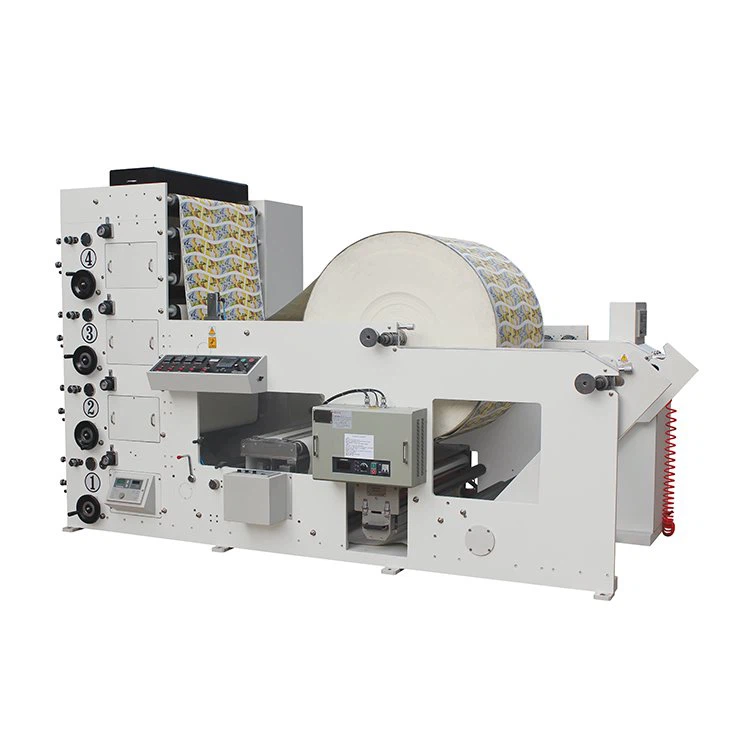
Flexo printing machine use a flexible relief plate made of rubber or photopolymer material to transfer ink to a substrate, most commonly used for packaging materials. Flexo printing machine are known for their ability to print on a variety of substrates, including paper, plastic, metal, and more, and can print high-quality images with crisp lines and vibrant colors.
 Paper Cup Flexo Printing Machine
Machine Type: HSR950. Printing Speed: 0-60m/min. Printable Colors: 2-6 Colors. Maximum Width of Roll Paper: 1200mm
Add to Inquiry
Advantages of Flexo Printing Machine
Versatility: Flexo printing can be used on a variety of materials, including paper, plastic, and metal. This makes it a suitable choice for printing on a wide range of products, from food packaging to labels.
Durability: Flexo printing produces durable prints that can withstand exposure to moisture, heat, and light. This makes it ideal for printing on products that will be used in harsh environments.
Environmental protection: Flexo printing uses water-based ink. Compared with solvent-based ink, it is environmentally friendly and recyclable, reducing the impact on the environment. It is a more environmentally friendly printing method.
High-quality printing: Flexo printing machines can provide high-quality prints and are ideal for printing packaging materials, labels, and other products that require high resolution and clarity. Images are clear and vivid, with vibrant colors and accurate details.
High-volume printing: Flexo printing machines are best suited for high-volume printing needs as they can print large quantities of materials. It features faster printing speeds, high registration accuracy and high-precision multi-color printing, making it an efficient and ideal choice.
Fast printing speed: Flexographic printing machines are known for their fast turnaround times, allowing manufacturers to produce large quantities of prints in less time.
Why Choose Us
With more than 20 years of experience, we are able to provide the highest quality paper cup machines, paper bowl machines, die cutting machines, inspection machines and related products.
We have a diverse range of expertise and experience, ranging from design and innovation to marketing and sales. This allows us to offer a comprehensive suite of products and services that are tailored to meet the unique needs of each individual client.
Our company is committed to delivering high-quality products and services that are designed to empower our clients and help them achieve their goals. We are passionate about what we do, and we are committed to helping our clients succeed.
Equipment based on the latest technological developments has higher efficiency, better performance and stronger reliability.
Types of Flexo Printing Machine

01.Central Impression flexo printing machines
02.Stacked flexo printing machine
03.Online flexo printing machine
04.Multi-Substrate flexo printing machinee

Material of Flexo Printing Machine
Commonly used materials for manufacturing flexo printing machine include steel, aluminum, stainless steel, plastic, rubber, ceramics and other materials. Strong, highly durable and abrasion resistant, and able to withstand repeated exposure to chemicals and mechanical stress.
Working Principle of Flexo Printing Machine
Flexo printing machine material works by using a flexible printing plate made of rubber or photopolymer. The plate is wrapped around a cylinder and ink is added to an ink well. The cylinder rotates and as it passes over the plate, the ink is transferred onto the plate. The inked plate is then pressed onto the material being printed on, which passes through a set of rollers. The pressure of the rollers transfers the ink from the plate onto the material. This process can be repeated multiple times with different colors to create a multi-colored design. Flexo printing is commonly used for printing on a variety of materials including paper, cardboard, plastic and even metal.
How to Troubleshoot Flexo Printing Machine
Ensure that the ink is properly mixed, consistent in viscosity, and that the correct color is being used. If there are issues with the ink, it could be affecting the printed image.
The rollers in a flexographic printing machine play a critical role in creating a consistent and even print. If there are issues with the rollers, the printed image may be uneven or have streaks. Check for any wear or damage to the rollers and make any needed adjustments or replacements.
The printing plate is another important part of the flexographic printing process. Make sure the plate is properly aligned and secured in the machine. If the plate is damaged or worn, the quality of the printed image may be affected.
The type of substrate being used can also impact the printed image. Ensure that the substrate is compatible with the ink and that the machine settings are adjusted to allow for proper printing.
If none of the above steps have resolved the issue, it may be necessary to adjust the machine settings. This could involve adjusting the tension, speed, or pressure of the machine.
Application of Flexo Printing Machine
Packaging industry
Flexo printing machines are used in the packaging industry to print on cardboard boxes, paper bags, and pouches. They are also used for printing on food packaging materials, such as paper cups, plastic containers, and wrappers.
Food industry
Flexo printing machines are used in the food industry for printing on food packaging materials such as plastic bags, plastic containers, and paper bags. These machines are capable of printing high-quality images with vibrant colors, making them ideal for printing food packaging labels.


Flexible packaging industry
Flexo printing machines are used in the flexible packaging industry for printing on plastic films. These machines can print on a variety of substrates, such as PVC, LDPE, PET, and PP, making them ideal for printing on plastic bags, pouches, and wraps.
Pharmaceutical industry
Flexo printing machines are used in the pharmaceutical industry for printing on various packaging materials such as pill bottles, medical pouches, and labels. These machines are capable of printing high-quality images with vibrant colors, making them ideal for printing pharmaceutical labels.

The Efficiency & Speed of a Flexo Printing Machine
Flexo printing machines are efficient and fast. The efficiency of a flexo printing machine comes from its ability to print on a range of substrates, including paper, cardboard, plastic, and metal. With inks drying quickly on the substrate surface and inline capabilities delivering impressive print and web capabilities, flexo printing machines are expected to increase profitability by reducing downtime and increasing print run efficiency. Flexo printing machines use a flexographic plate to transfer ink to the substrate, allowing for faster printing speeds and high-quality printing. These machines are also highly customizable, allowing for quick changeovers and efficient production of different print jobs.
What Types of Inks Can Be Used in Flexo Printing Machine
Flexo printing machines can use different types of inks, including water-based, solvent-based, UV-cured, and food-grade inks. The type of ink used will depend on the specific needs of the printing project, such as the substrate to be printed on and the desired outcome. Water-based inks are environmentally friendly but may not be suitable for all substrates. Solvent-based inks are more versatile but may not be safe for food packaging. UV-cured inks are fast-drying and deliver high-quality results but may require additional processing steps. Food-grade inks are specifically formulated for printing on food packaging materials and are non-toxic and safe for use with food products.

Components of Flexo Printing Machine
Feeding device
The feeding device of the flexo printing machine mainly consists of a paper delivery device, a paper threading device, a positioning device, a feeding frame, a press wheel, a guide wheel, a tensioning device, etc. Its main function is to automatically feed the printing paper to the printing position. Among them, the tensioning device can adjust the tightness of the paper and maintain the flatness of the paper during the printing process.
Printing part
The printing part of the flexo printing machine is the core part of the entire printing machine, which mainly includes printing wheels, flexo printing machines, surface coatings, printing pressure adjustment devices, ink scrapers, etc. Among them, the flexo printing plate is an important factor for the printing press to achieve high definition and high color reproduction.
Drying part
The drying part of the flexo printing machine mainly consists of a dryer, air circulation system, temperature control system, etc. Its main function is to quickly dry the ink applied on the paper surface during the printing process to ensure printing quality.
Paper delivery device
The paper delivery device of the flexo printing machine is mainly composed of a paper delivery table, a tensioning device, a guide wheel, etc. Its main function is to automatically collect the printed paper and neatly stack and typeset it.
How to Maintain Flexo Printing Machine
Clean the machine regularly
Regular cleaning of the machine helps to prevent the accumulation of dirt, dust, and ink residues that could cause mechanical issues. Use mild solvents and cleaning agents to clean the ink rollers, plates, and other components.
Inspect and replace worn-out parts
Regular inspection and replacement of worn-out parts can help prevent an unexpected breakdown of the machine. Replace worn-out parts such as bearings, gears, and belts promptly to avoid severe damage to the machine.
Regular Lubrication
Lubricate the moving parts, such as rollers, gears, bearings, and belts, to minimize friction and wear. Lubrication will ensure that the press components operate smoothly and prevent unnecessary wear and tear.
Store correctly
Store press components such as plates, anilox rollers, and ink cartridges in a clean, dry place to prevent contamination and damage. Use protective packaging, such as plastic or paper sleeves, to protect them from scratches and other damage.
What Should You Consider When Purchasing a Flexo Printing Machine?
One of the most crucial factors to consider when buying a flexo printing machine is the required capacity. The capacity of the machine should be in line with your business demands. The quality of printing is directly proportional to the precision and accuracy of the machine. Therefore, factors such as the quality of the roller, ink delivery system, print registration, die-cutting accuracy, etc., should be considered when buying a flexo printing machine. These advanced technologies can significantly increase productivity, reduce waste, and produce high-quality printing.
What is The Difference Between Flexo Printing and Offset Printing?
Flexo printing and offset printing are both popular printing methods, but the key difference between these two is that flexo printing uses flexible printing plates made of rubber or photopolymer, whereas offset printing uses metal plates. Flexo printing is also known for its ability to print on a wide range of materials and produce high-quality images with consistent ink coverage.
How Many Colors Can a Flexo Printing Machine Print?
A flexo printing machine can print up to six or seven colors simultaneously, depending on the machine's configuration and capabilities. The machine uses flexible printing plates and a rotating cylinder to transfer ink onto the substrate, allowing for complex and high-quality prints. The ink options for flexo printing are diverse, allowing for a vast color spectrum to be reproduced. Using a combination of different inks and printing techniques, flexo printing machines can produce vibrant and accurate colors on a variety of substrates, making them suitable for a range of applications, from packaging to labels and more.
Things to Note When Using Flexo printing machine
Design
The design of the printed material is an important consideration when using a flexo machine. You need to ensure that the designs are well-articulated, with clear lines and no blurry images. This will help to ensure that the finished product is of high quality and meets the desired standards.
Ink
The inks used in flexo printing machines are of different types, and you need to choose the right type of ink for your specific job. For instance, water-based inks are suitable for printing on packaging materials, while solvent-based inks are ideal for printing on vinyl and other non-absorbent materials.
Registration
The registration of the flexo machine must be accurate. This means that the printing plates should be aligned correctly with the substrate to avoid printing errors and improve quality.
Substrate
The type of substrate used in flexo printing can significantly affect the quality of the printed product. You need to select the right substrate that is compatible with the flexo printing machine to ensure that the printed materials are of high quality.
Drying
Drying is a crucial process in flexo printing that ensures that the ink dries and adheres to the substrate. Therefore, you need to ensure that the drying process is optimized to achieve the desired results.
Maintenance
Proper maintenance of the flexo printing machine is crucial to ensure that it is in good condition and delivers high-quality prints consistently. Regular cleaning, lubrication and inspections are essential to keep the machine running smoothly.
Optimizing print registration with a flexo printing machine involves a combination of factors, including proper plate mounting, adequate tension adjustment, precise ink control, and accurate substrate feeding. Plate mounting should be done meticulously to ensure that the plate fits perfectly on the print cylinder with no gaps or overlaps. Tension adjustments must be made to facilitate uniform registration throughout the printing process. Ink viscosity and flow rates should be monitored to avoid excessive ink buildup or spreading, which can affect print registration. Proper substrate feeding aids in maintaining accurate registration by reducing web movement and stretching during the printing process. By adhering to these best practices, you can optimize print registration with a flexo printing machine and achieve high-quality, professional results.

Printing pressure on a flexo printing machine can be adjusted by changing the gap between the printing plate cylinder and the impression cylinder. This is achieved by adjusting the pressure between these two cylinders with the use of pneumatic cylinders or hydraulic systems. The printing pressure can also be adjusted by changing the compressibility of the printing plate or the type of substrate being printed on. Adjusting the printing pressure is important to ensure the printing quality is consistent and to avoid damaging the printing plate or substrate.
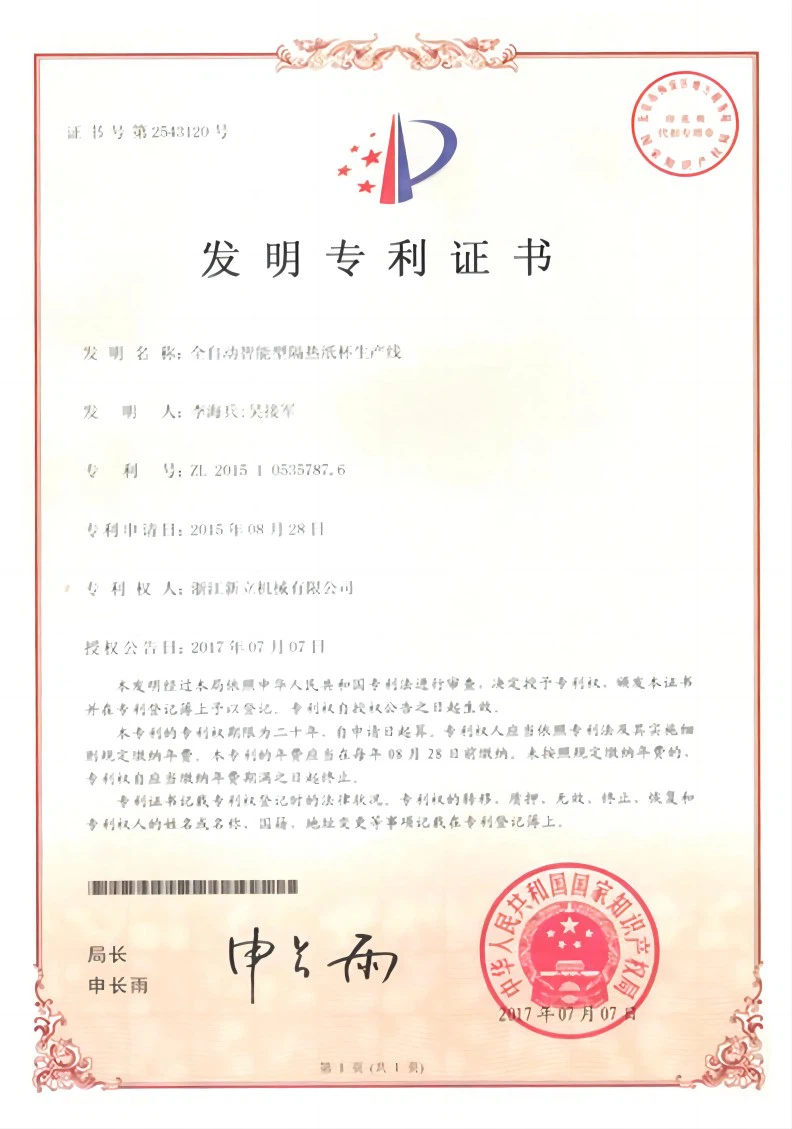
Certifications



Our Factory
Founded in 1998, it is a company specializing in the production of disposable paper container machinery. With more than 20 years of experience, we are able to provide the highest quality paper cup machines, paper bowl machines, die cutting machines, inspection machines and related products.


FAQ
We're professional flexo printing machine manufacturers and suppliers in China for 25 years. Please feel free to buy high-grade flexo printing machine made in China here from our factory. All machines are with high quality and competitive price.
Flexo Printing Machine, Paper Cup Flexo Printing Machine